
Form 57 Bhoomi RTC: Karnataka Tenancy Certificate Guide
If you have ever tried to navigate Karnataka’s land record system, you have probably noticed that it is filled with farm numbers, abbreviations, and bureaucratic terminology that doesn’t mean much to the average person. Form 57 is one of those terms—it appears in property files, is mentioned by bank officials, and sometimes becomes a key point during land transactions.
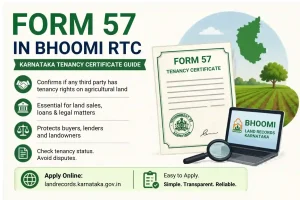
What Exactly Is Form 57?
Basically, Form 57 is a certificate of tenancy issued under Karnataka’s land record framework. It is essentially a snapshot that tells you whether anyone other than the registered owner has a recognized right to cultivate a particular piece of agricultural land.
Why does this matter? Because Indian land law—and specifically Karnataka’s tenancy laws—has long recognized that a person who cultivates land for a long period can, under certain conditions, acquire legal rights to that land. Sometimes those rights are minor. Sometimes they are significant enough to affect who can sell, mortgage, or transfer the property. Form 57 exists to put this information on the record in black and white, so that no one gets caught out later. Also visit Bhoomi RTC
Why Does This Document Matter So Much?
Like several Indian states, land in Karnataka has historically been subject to tenant reform laws. Under certain circumstances, a tenant who has cultivated land for a long time can acquire legal rights—sometimes even ownership rights—over that land. As a result, Form 57 becomes an important element of diligence in many real-life scenarios:
During property transactions
Before buying agricultural land, it is wise to check Form 57 to ensure that no third party has a lease claim that could later complicate or invalidate your purchase. Skipping this step is one of the most common — and expensive — mistakes buyers make.
For Agricultural Loans
Banks and cooperative societies frequently request this document before approving a loan against the farm. They want to ensure the land is not entangled in a lease dispute that could affect the value of the collateral.
In Legal Proceedings
If a court case ever arises concerning ownership versus cultivation rights, Form 57 is often produced as supporting evidence to establish the historical tenancy status of the land.
For Government Schemes and Compensation
When land is acquired for public projects or when farmers apply for certain subsidies, authorities may check the tenancy records to determine who is entitled to compensation. Also check Aadhaar Seeding Report
How to Apply for Form 57
Final Thoughts
Land transactions in Karnataka, like anywhere else, come with their fair share of paperwork—and documents like Form 57 are treated as yet another formality to tick off the list. But in reality, it provides genuine protection for both buyers and sellers. Taking the time to apply for it, review it, and understand what it says about a property can save you from disputes, delays, and financial headaches down the road. If anything about the document or your specific situation feels unclear, consulting a local revenue officer or property attorney familiar with Karnataka’s tenancy laws is always a worthwhile investment. Read Dishaank App


